A team you can count on for efficiency and quality
The Roof Problems You Can't See Cost the Most
Most roof damage starts out of sight: a split seam, a loose flashing detail, a clogged drain. By the time a stain shows up on a ceiling tile, water has often been working its way through insulation and decking for months. A manageable repair becomes an unplanned capital expense, and your tenants, inventory, and operations are at risk.
You shouldn't have to learn about your roof from a leak. A professional inspection tells you what's happening up there while you still have time to plan.
Signs It's Time for an Inspection
❌ Ceiling stains or drips inside the building
❌ Ponding water that sits 48 hours or more after rain
❌ Blisters, cracks, or open seams on the roof membrane
❌ Loose or rusted flashing around HVAC units and penetrations
❌ A recent hail, wind, or heavy snow event in your area
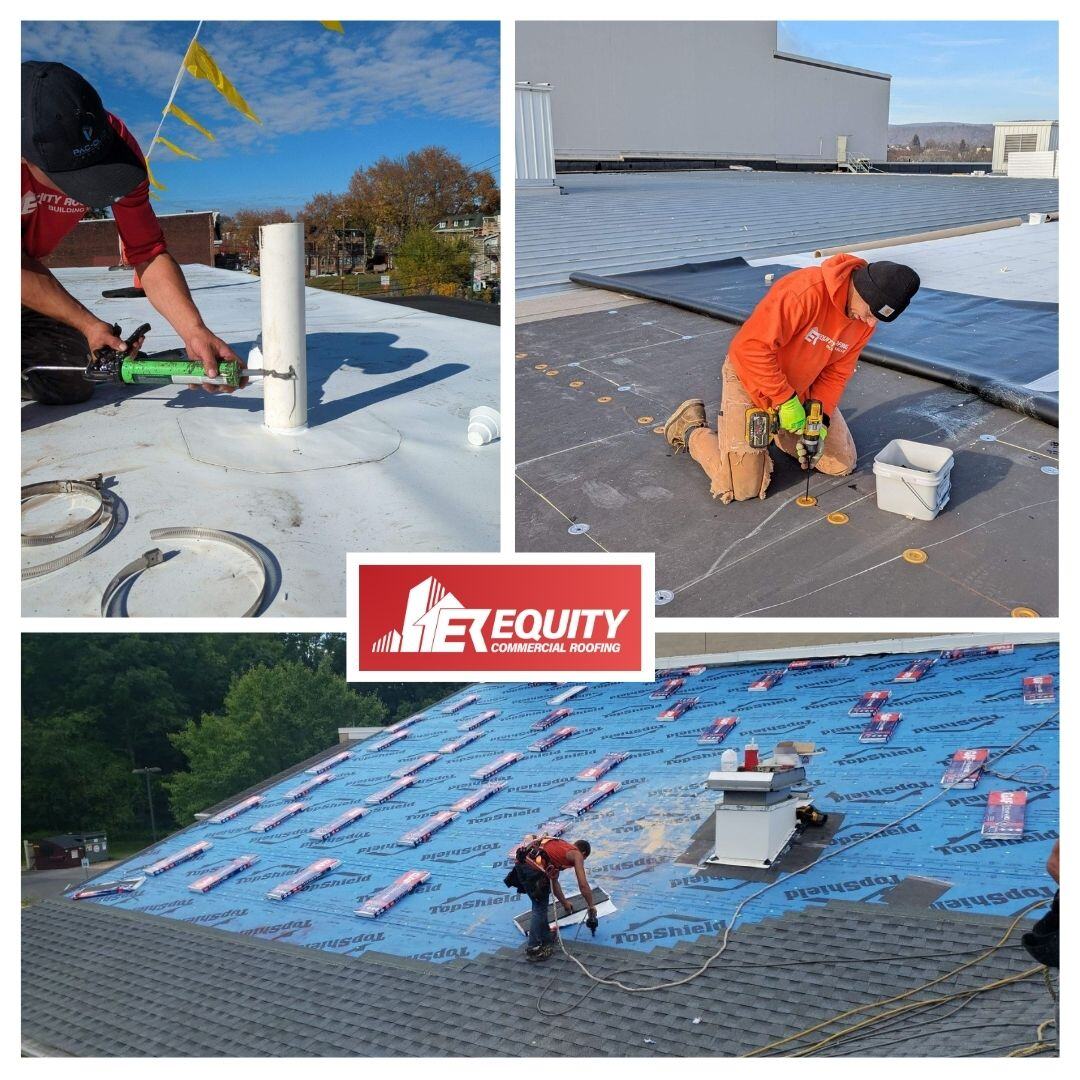
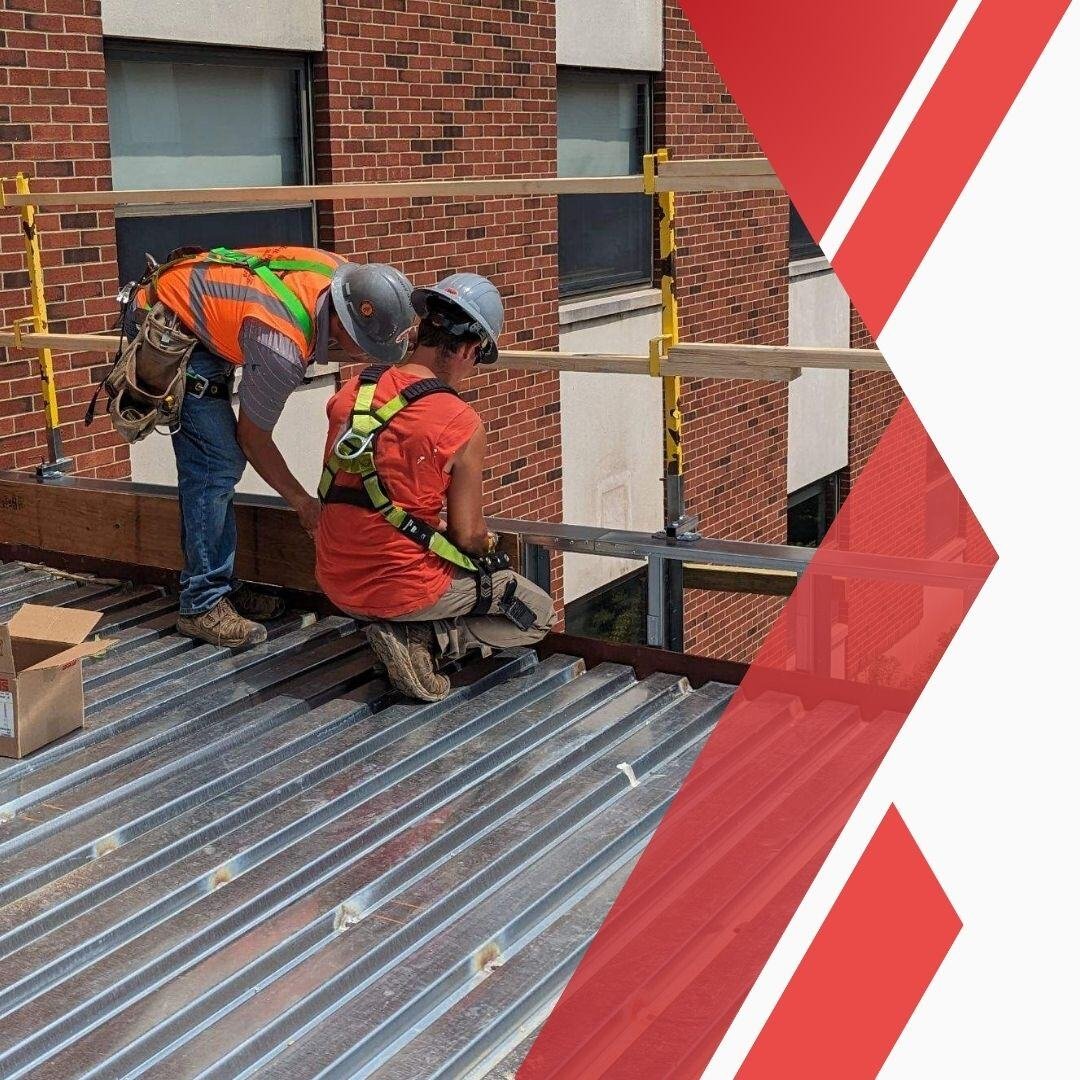
Our crew evaluates the full roofing system: membrane, seams, flashing, drainage, and rooftop equipment. We photograph what we find so you see exactly what we see, and we follow OSHA safety protocols on every roof.
You receive a condition report with photos and prioritized recommendations: what needs attention now, what can wait, and what to budget for. No guesswork and no pressure.
Every inspection covers the full roofing system, not just the spot that's leaking. Here's what our team evaluates on commercial buildings across Central PA.
What We Check
Seams, punctures, blisters, cracks, shrinkage, and coating wear on TPO, EPDM, PVC, modified bitumen, metal, and coated roofs
Why It Matters
Membrane breaks are the most common source of leaks, and they are the least expensive to fix when caught early.
What We Check
Perimeter edges, parapet walls, HVAC curbs, pipes, vents, skylights, and other penetrations
Why It Matters
Most commercial leaks start where the roof meets something else.
What We Check
Drains, scuppers, gutters, downspouts, and areas of ponding water
Why It Matters
Standing water adds weight, speeds up membrane wear, and finds every weak spot.
What We Check
Equipment supports, walkways, and interior ceilings and decking for signs of moisture
Why It Matters
Interior clues help trace leaks to their source and reveal hidden moisture damage.
A small repair today or a major expense later. The difference is usually how soon the problem is found.
If You Wait
❌ Small leaks spread into insulation and roof decking
❌ Simple repairs grow into partial or full roof replacement
❌ Leaks disrupt tenants, employees, and daily operations
❌ Missing records can complicate insurance claims and warranty coverage
If You Inspect Regularly
✔️ Problems are caught while they're small and affordable
✔️ Repairs and replacements can be planned and budgeted
✔️ Your roof lasts longer and performs better
✔️ Documentation is ready when you need it
Why Building Owners Trust Equity Commercial Roofing
Your roof is a major investment, and you need straight answers, not a sales pitch. Our job is to tell you what's really happening on your roof and help you make the right call for your building and your budget.
✔️ OSHA 30-certified and manufacturer-approved crews
✔️ 40+ years of combined commercial roofing experience
✔️ All major roof systems including TPO, EPDM, metal, and coatings
✔️ Photo-documented reports you can share with ownership and insurers
✔️ 10-year workmanship guarantee backing our work
“The customer service was next level. Emergency roof leak, had a crew there within an hour and was fixed and taken care of. Would recommend them to anyone.” Alex Shaffer, Columbia Valley Moose Lodge
At least twice a year, typically in spring and fall, and after any major storm. Regular inspections catch problems early and help keep manufacturer warranties in good standing.
Our team evaluates your roof's condition, looks at any problem areas you've noticed, and walks you through what we found and what we recommend. There's no cost and no obligation.
Yes. You'll receive a condition report with photos and prioritized recommendations you can share with ownership, property managers, or your insurance carrier.